|
We know you flagged that fraud is a concern for you, so this is a quick update to tell you how we’re addressing concerns and supporting residents. Personal fraud and how to prevent it
Fraud is when a person lies to you, or ‘scams’ you, to gain an advantage, such as taking your money or learning private information about you. This could be via email, text, phone or in person, either on the street or on your doorstep.
Some adults may be especially vulnerable to fraud and financial abuse. If you’re concerned about someone you know, contact your local social services and ask for Adult Social Care.
With a little knowledge you can protect yourself from fraudsters too:
Learn the ten golden rules to prevent fraud (see below).
Find out about the most common types of fraud.
Download The Little Book of Big Scams (see download below) to find out more; The Little Book of Big Scams audio version is also available.
For more information and help and to report fraud, go to Report Fraud, the UK’s national cyber crime and fraud reporting service.
Ten golden rules to prevent fraud
Remember these ten golden rules to help you prevent fraud and beat the scammers.
Be suspicious of all ‘too good to be true’ offers and deals. There are no guaranteed get-rich-quick schemes.
Don’t agree to offers or deals immediately. Insist on time to get independent or legal advice before making a decision.
Don’t hand over money or sign anything until you’ve checked someone’s credentials and their company’s.
Never send money to anyone you don’t know or trust, whether in the UK or abroad, or use methods of payment you’re not comfortable with.
Never give banking or personal details to anyone you don’t know or trust. This information is valuable so make sure you protect it.
Always log on to a website directly rather than clicking on links in an email.
Don’t just rely on glowing testimonials. Find solid, independent evidence of a company’s success.
Always get independent or legal advice if an offer involves money, time or commitment.
If you spot a scam or have been scammed, report it and get help.
Don’t be embarrassed about reporting a scam. Because the scammers are cunning and clever there’s no shame in being deceived. By reporting it, you'll make it more difficult for them to deceive others.
Get help or report a scam
If you think you’ve uncovered a scam, been targeted by a scam or fallen victim to fraudsters, contact Report Fraud on 0300 123 2040 or at Report Fraud.
Call us on 101 if you know the suspect or they’re still in the area.
Reporting crime, including cyber crime or fraud, is important. If you don’t tell the authorities, how do they know it’s happened and how can they do anything about it?
Remember that if you’re a victim of a scam or an attempted scam, however minor, there may be hundreds or thousands of
others in a similar position. Your information may form part of one big jigsaw and be vital to completing the picture.
| Cycle Marking or Registration Scheme | | bike marking event | 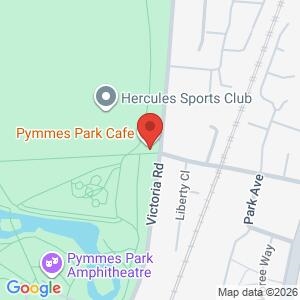 | | When & Where is it? | | Sat 26 Sep 2026 11:00 | Pymmes Park Cafe, Victoria Road
London
N18 2UG
///pipes.lucky.gentle
|
 We consider fraud to be a serious crime and will put the time in to tackle it however we can. In the meantime, there are ways to keep yourself safe. Fraud comes in many forms and across various different channels, whether that's through emails, phone calls or in person encounters. Please see a few resources below to protect you and others from potential fraudsters: For more information and help and to report fraud, go to Action Fraud, the UK’s national fraud and cybercrime reporting centre. Lastly, if you think you’ve uncovered a scam, been targeted by a scam or fallen victim to fraudsters, please contact 101 or Action Fraud on 0300 123 2040 or online at Action Fraud. |